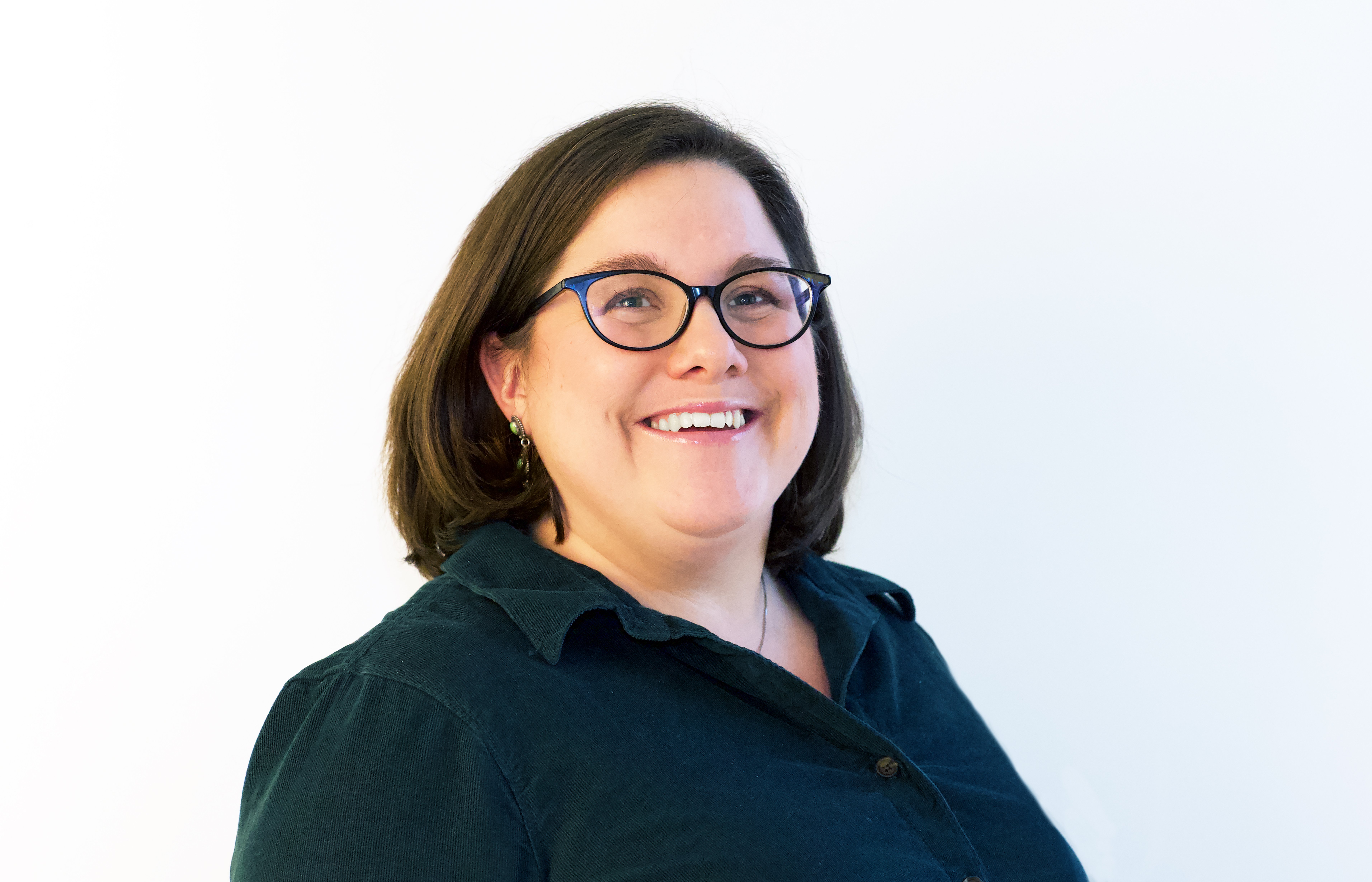
I am very happy to share the news that I am chairing a session at the upcoming National Council on Public History (NCPH)/American Association of State and Local History (AASLH) joint conference in Providence, RI, this September! The roundtable session is titled "The Revolutionary Power of Genealogy" and will bring together a fantastic group of history practitioners who are using genealogy in their work.
In the session, I will present briefly about my work at American Ancestors before guiding a conversation with the other panelists. Our goal as a group is to encourage audience participation and make the session not only informative, but to inspire other institutions to utilize genealogy in their projects. I am very excited to have the opportunity to discuss the importance of genealogy at such a large and important meeting, particularly since it is a joint conference with two wonderful history organizations. In addition to myself, the session includes:
Matthew Champagne works with the Prince George’s County Department of Parks and Recreation in Maryland, and he is the Principal Consultant for Queering Museums Consulting. As a specialist in queer historical interpretation who has helped several museums and historic sites better their research, identification, and exhibition of the queer past, Matt will share how genealogical methods are being used to research, identify, and construct historical narratives of queer individuals and communities in history projects and public history sites. He will bring insight in how tools such as family trees, Ancestry/Family Search, and the FAN (Friends, Associates, and Neighbors) method are used to connect non-biological chosen family units.
Adrienne DeArmas is the Director of The Shapell Roster of Jewish Service in the American Civil War and from Portland, OR. Adrienne has spent fifteen years researching Jews who served in the American Civil War. Tasked with confirming the service of 8,000 names published in 1895 which were supposed to be Jewish, Adrienne determined through her research that fewer than 25% of the men included were actually Jewish. Her mission is to provide an accurate accounting of Jewish service during the Civil War, and to do this effectively she must combine genealogical methodology with historical research. She will speak to how the FAN method helps to connect individuals and communities. This project is not only important for the families included but has much broader implications for how we understand service and society during the Civil War.
Jeremiah Ellis is a Commissioner on the Saint Paul Heritage Preservation Commission in Minnesota. His research highlights the crucial role of genealogical methods in reconstructing the history of Black women employed at the Twin Cities Ordnance Plant (TCOP) during World War II. Traditional archival sources often obscure this narrative, leading to the historical erasure of these "Black Rosies," many of whom fled lives as domestics to economically uplifting industrial jobs, significantly contributing to the Black middle class and laying groundwork for the Civil Rights movement. Jeremiah uses genealogical methods in his research to highlight individual lived experiences within the context of their community, transforming history into a “vital act of historical reclamation” that validates the labor and sacrifice of these "invisible warriors" and fosters a more complete and nuanced understanding of American history.
Makhai Pells is a Ph.D. Candidate in African American/Black Studies at UMASS Amherst. Makhai's research utilizes the 1861 Massachusetts Earle Report of Native Americans, which includes a census of the Indigenous inhabitants residing in the Commonwealth of Massachusetts. The Earle Report, widely used as a genealogical and legal document, is central not only to Indigenous recognition cases, but also for understanding how the state categorized, racialized, and tracked Indigenous and multiethnic families over time. Often used for tribal membership enrollment and federal recognition petitions for Native Nations in Massachusetts, this historical document has the potential to hold great implications for land and environmental rights. As a descendant of Mashpee Wampanoag peoples and Cape Verdean Americans with deep regional ties, Makhai seeks to interrogate how families navigate overlapping racial identities, migration histories, and political struggles for recognition and self-determination.
From the planning meetings we have had to date, this session promises to be filled with thoughtful conversations about the role genealogy plays in providing deeper insight to our collective past. We will discuss how sources are utilized by genealogists and history practitioners and differing methods shape the construction of narratives. We will also dive into how knowledge is valued, as well as who and what is included and excluded. We hope to demonstrate the power of genealogy to make meaningful connections between archives, historic sites, communities, and the public.
Please join us! We would love to have you join the conversation and tell us what genealogy means to you!