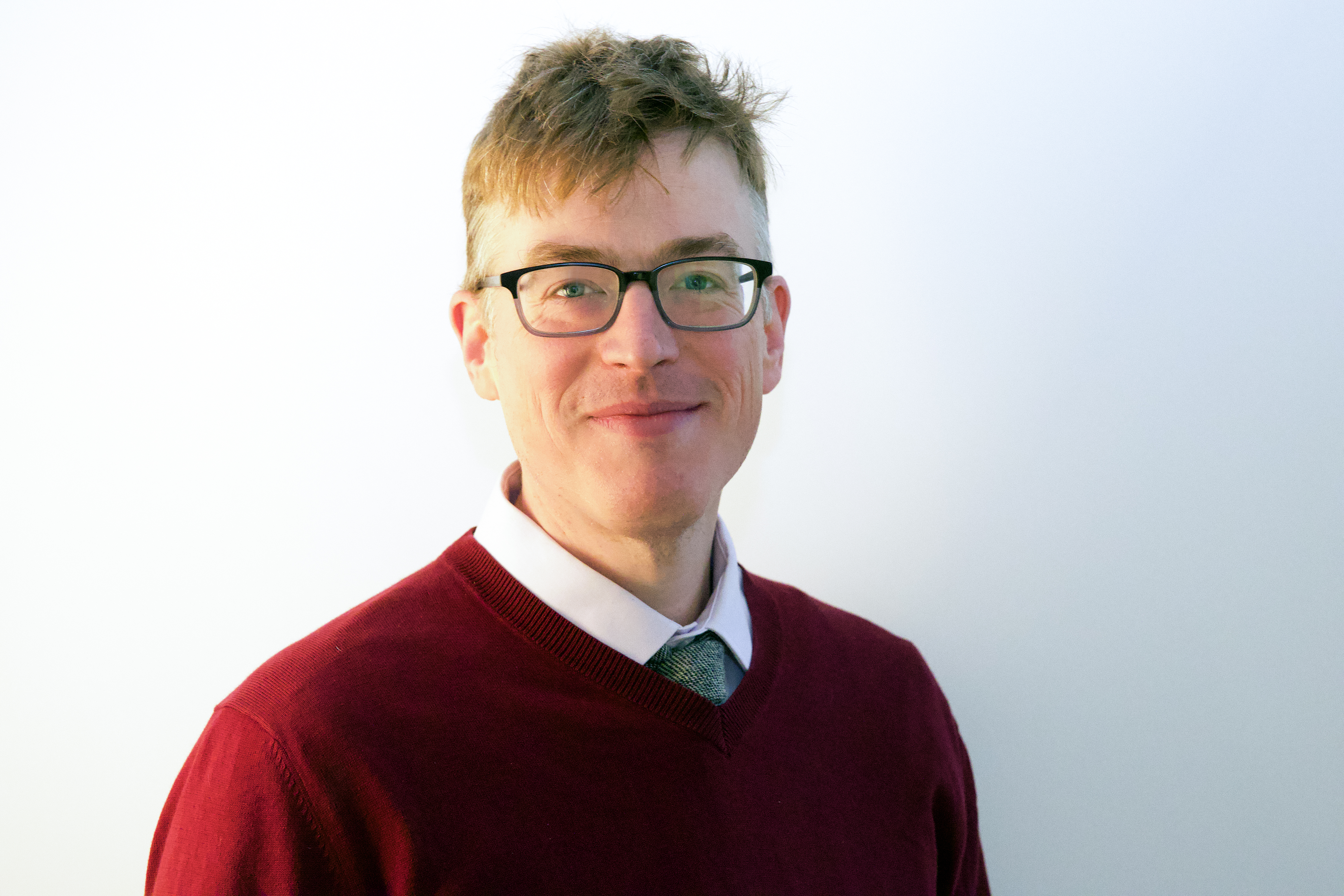
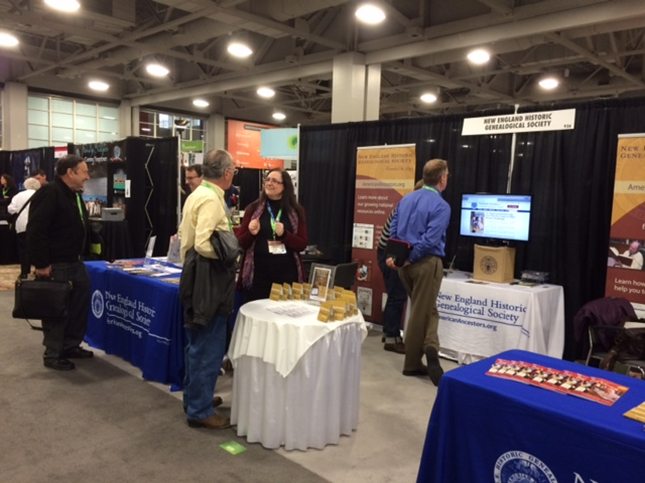
 After a whirlwind time in Salt Lake City for RootsTech 2014, the NEHGS web team is back in Boston. This year's conference felt like a big step up from last year's (moving into the larger half of the Salt Palace) without seeming overwhelming, although I personally didn't get the chance to visit as many booths as I would have liked. The fact of the matter is that I was too busy talking to the visitors at our booth.
As a member of the web team, I don't get as many opportunities to see members face-to-face as some of my colleagues, so it was a treat for me to hear how you use the site and some ways that we could improve it. I even got the opportunity to enjoy one of the breakthroughs that these genealogical gatherings can produce, as a member gave me a promising lead for tracing one of my Czech lines. Anybody have any info on the port of Indianola, Texas?
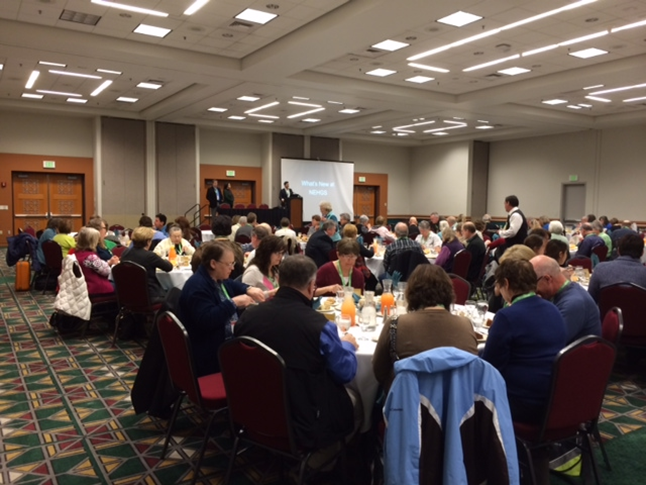 The organizers of RootsTech plan to transcribe and translate a number of conference sessions for distribution around the globe. We will keep you updated when Alice Kane's presentation on mobile genealogy with Evernote is posted online. While our session was not filmed, Rhonda McClure and I gave a luncheon talk about what's new at the Society, focusing on our Online Learning Center, the Early New England Families Study Project, and the community forming around the blog here. Vita Brevis readers, as I'm sure you'll agree, are a outstandingly intelligent and fashionable crowd!
As I mentioned in my last post about the Innovator Summit, this year's RootsTech had a feeling of “No one of us is as good as all of us.” This extended beyond companies and applications sharing data, to using that technology to share family histories and stories. Many genealogists work in a vacuum as the designated historian of the family, but posting a family tree online or recording a phone call of reminiscences are just two of many ways we saw this year to get increasingly far-flung family members involved in our research.
As often happens with conferences like this, we left with many more ideas than we could ever hope to have time to act on; that said, we have lots of exciting things in store for the coming year. Was there anything on the exhibit floor that's inspired you or led to some new paths in your research?